01
Document Hub
Versioned storage for reports, drawings, survey protocols and photo series, with each file attached directly to the relevant HBIM component rather than to a shared folder.
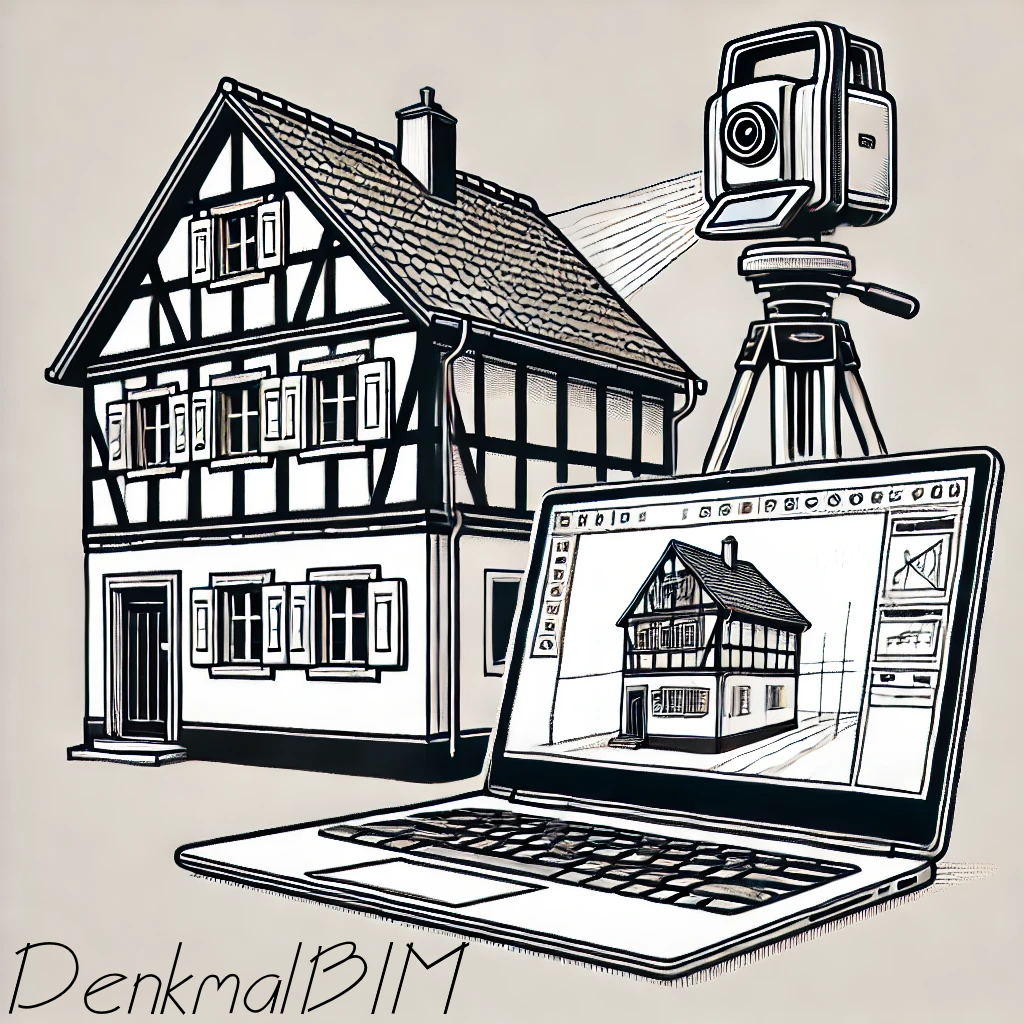 DenkmalBIM
Research Project · 2024–2026
DenkmalBIM is a platform that covers the entire heritage building renovation process. It links survey, fabrication and installation in a single digital workflow, ensuring visibility of every component and the interventions it has undergone.
Platform
DenkmalBIM provides a microservice-based environment in which planning offices, research partners, and heritage authorities can share building information without duplicating data across tools.
Models, documents and photographs are organised by building and component. This way every partner always works from the same up-to-date data, with no version conflicts or scattered folders.
All data, including models, scans and condition records, is exposed via open APIs. Planning office tools, research prototypes and fabrication systems can connect without the need for custom integrations.
New services for analysis, simulation or visualisation can be plugged in without affecting the core platform — the architecture is designed to grow alongside the research.
Current pilots include multiple façades with component-level HBIM models. Additional services are added incrementally throughout the research project.
Versioned storage for reports, drawings, survey protocols and photo series, with each file attached directly to the relevant HBIM component rather than to a shared folder.
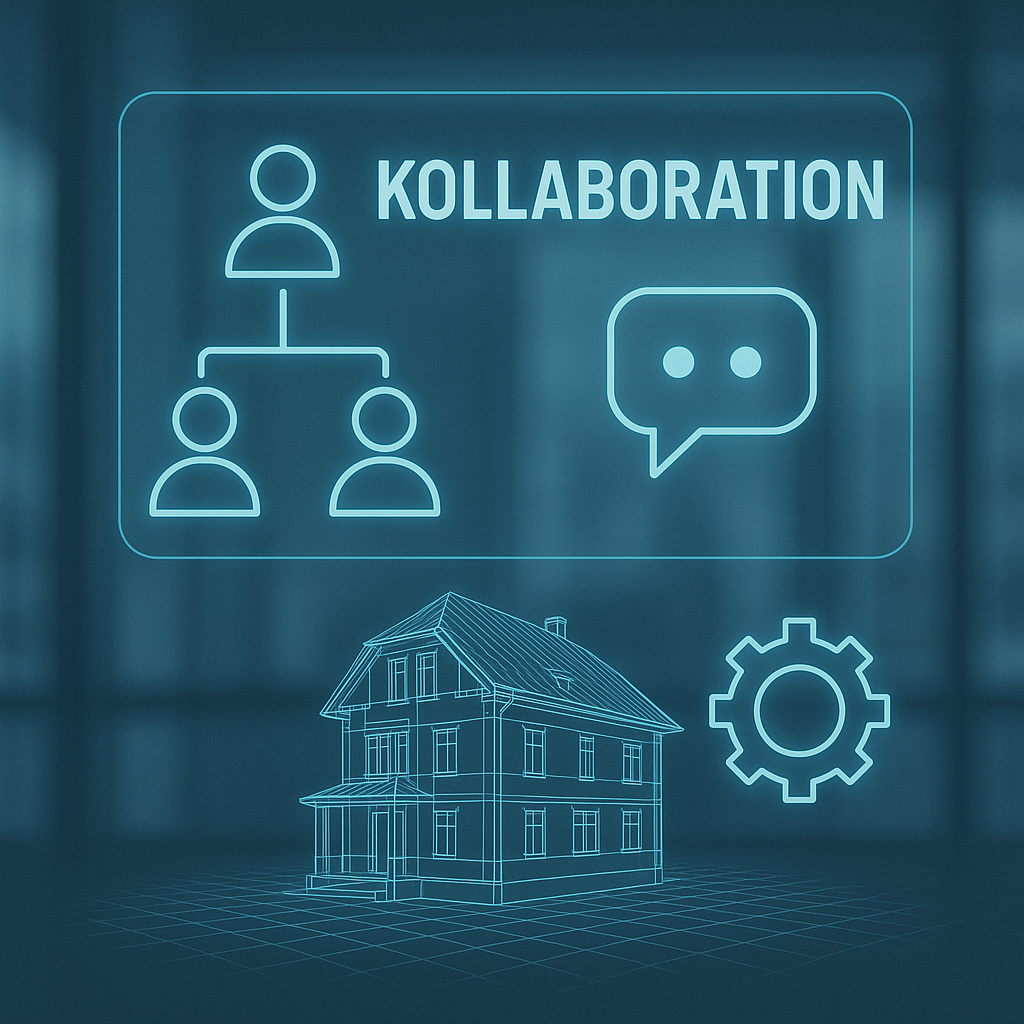
Connect planners, conservators and fabricators across institutions with roles, comments, tasks and review workflows structured around building components, not email threads.
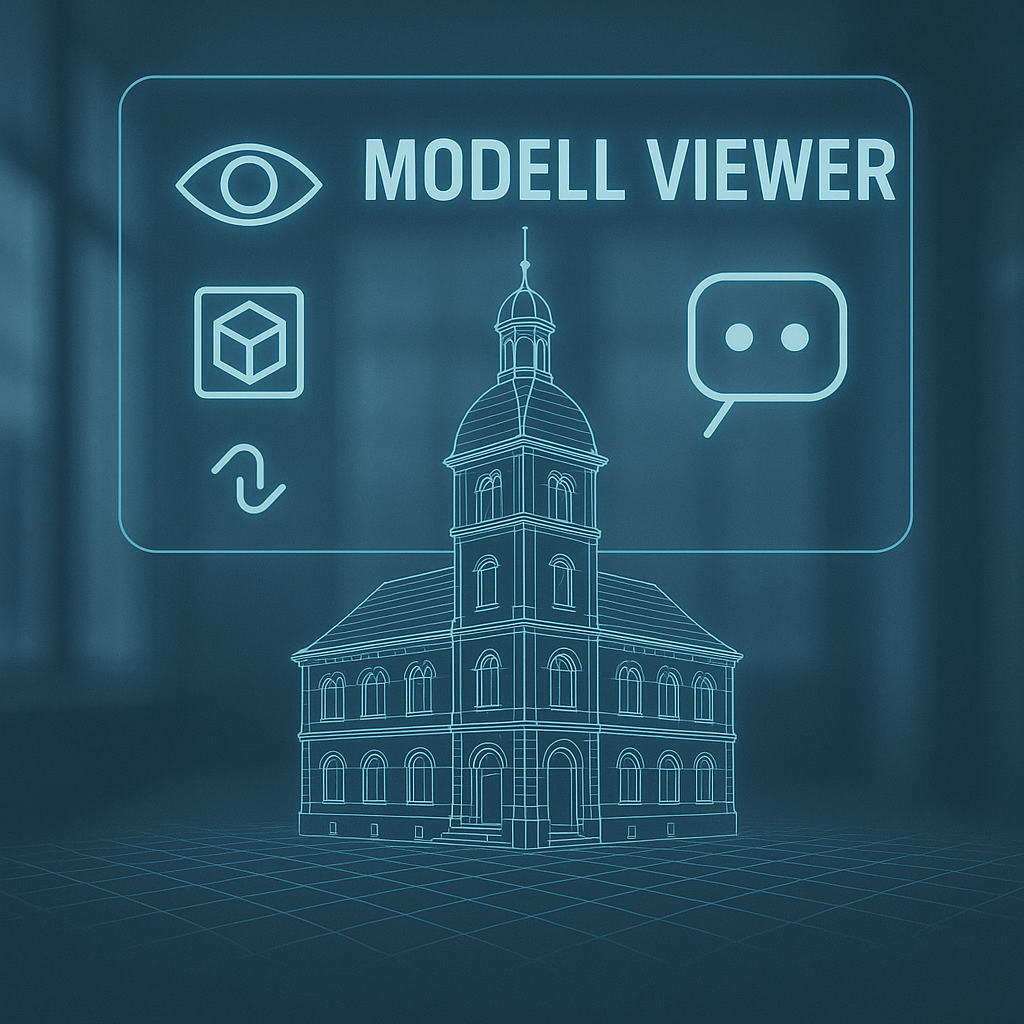
Explore HBIM models, point clouds and condition layers directly in the browser. No desktop software is required, and it is accessible to all project partners from day one.
Research Project
The research project develops a BIM platform that covers the entire heritage building restoration value chain — from the initial scan, through the fabrication of replacement elements, to the creation of an updated digital twin.
Although BIM is becoming standard practice in the construction industry, it has seen little adoption in heritage renovation, primarily due to a lack of common interfaces and data exchange formats among the trades involved.
DenkmalBIM places a cloud-based digital twin at the heart of the process. Surveyors, planners, fabricators and installers all connect to this shared backbone. Measurements, HBIM models, planning decisions and fabrication data are no longer scattered across different tools and folders.
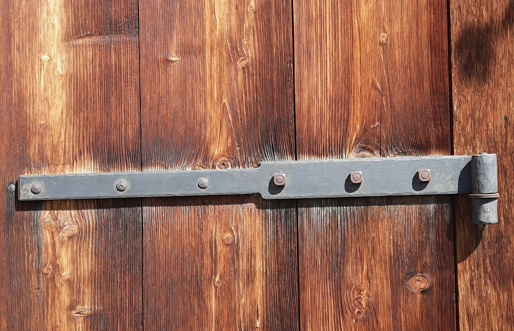
Each door leaf, façade panel or fitting becomes a component in the digital twin, complete with its own geometry, material, condition and full intervention history. Parametric HBIM elements can be fed directly into additive manufacturing processes such as metal and ceramic printing.
High-resolution scans and photographs document the existing façade at a component level. Data is registered and linked to individual elements, from the scale of the entire building down to a single fitting.
HBIM models capture variants, repairs and replacements. Design decisions are recorded on the components, providing transparency and auditability of each conservation measure.
Parametric HBIM elements provide the geometry required for additive manufacturing, including metal and ceramic printing, while preserving the link between digital model and physical part.
Installation records and subsequent inspections are fed back into the twin. This gives the building a long-term memory for future maintenance cycles and heritage research.
Documentation
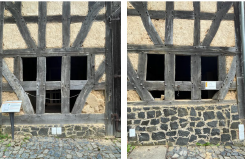
Visual documentation from our heritage building research sites and fieldwork.
Use Cases
Each use case represents a real heritage component and develops a fully digital conservation workflow from survey to installation.
Consortium
A joint initiative bringing together surveying, structural engineering, precision manufacturing and academic research expertise.